Food logging
How to track calories when eating out
By Uptick3 min read
Start with the restaurant’s own figure for the dish, size and extras you ordered. When that is unavailable, choose a closely matched dish or describe the main components and your share. One considered estimate is enough to make the meal recognisable in your diary.
What you can see matters more than an extra decimal place. You may know there was rice, roast chicken and a creamy sauce, while having no way to know exactly how much oil the kitchen used.
Split a sharing plate once
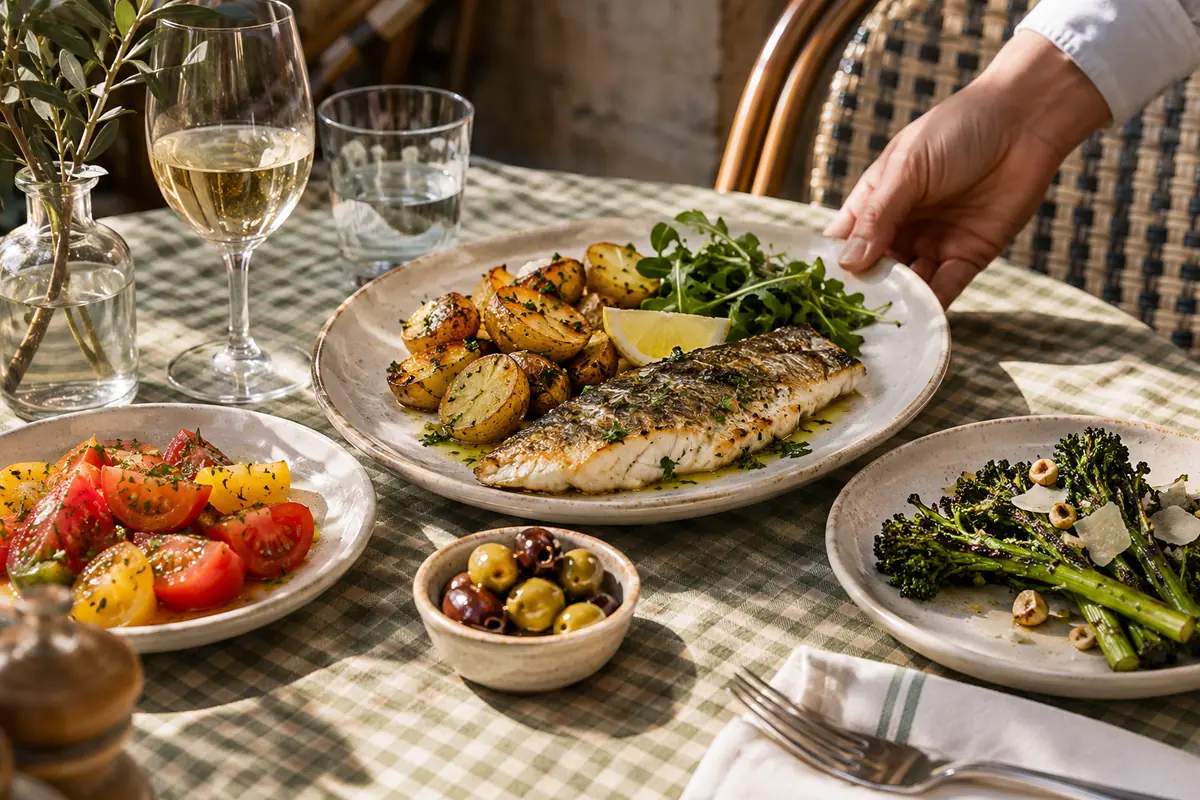
Imagine a fictional menu lists a plate of potatoes at 480 kcal and an individual drink at 90 kcal. You share the potatoes equally with a friend and finish your own drink. Your two entries would be 240 kcal and 90 kcal. If the 480 already includes the dip, counting the dip again would duplicate it.
If your friend had only a couple of potatoes, half is a poor description. Record “about three quarters of the plate” if that fits your memory. For a meal with several small plates, work through the substantial ones first, then add drinks and any side you ordered for yourself.
When there is no calorie information
For a takeaway rice bowl, start with either a comparable complete bowl or separate entries for its main parts. The whole-bowl approach works when the example includes similar rice, protein, sauce and toppings. Separate entries help when you ordered extra rice, skipped a topping or shared the protein.
A photograph can remind you of size and components. An estimate from a picture still cannot identify the recipe, hidden fat or how much you left. Adjust visible errors, such as an added side you did not eat, and keep a short note about what was uncertain.
Make it easy to recognise the same meal next time
A name such as “Friday takeaway, chicken rice bowl, sauce on the side” is more helpful next week than “dinner”. If it becomes a regular order you can save the usual combination and edit the next portion. A changed recipe or a different size deserves another look.